Before winter, check the furnace filter, review thermostat settings, test carbon monoxide alarms, and arrange a professional heating inspection. Keep homeowner checks separate from combustion, gas and electrical work. A maintenance visit should explain the condition of your system, not automatically turn into a replacement recommendation.
Arrange the inspection before heating becomes essential
ENERGY STAR recommends a professional heating check in the fall, before the busiest heating period. For a Chicago household, the useful goal is to have time to discuss findings and arrange any needed work before dependable heat becomes urgent. If winter has already arrived, maintenance can still be worthwhile; tell the contractor whether the equipment is currently operating.
Find the model information and your last service invoice before the appointment. Record problems you have noticed rather than trying to diagnose them yourself. A short description of when a problem happens is more useful than guessing which part needs replacing.
Start with the filter and thermostat
Inspect the air filter monthly during heavy use. Follow the equipment instructions for the correct replacement size, filter type and replacement interval. A dirty filter can restrict airflow; choosing a different filter simply because its efficiency rating is higher is not a substitute for checking compatibility.
Review the thermostat schedule and the temperature you actually want while the home is occupied. Note any difference between the thermostat reading and how rooms feel. These observations help the technician investigate comfort issues without assuming that the furnace itself is the only cause.
- Read the owner manual before accessing the filter.
- Keep a note of the filter size and the date it was changed.
- Bring thermostat questions to the maintenance visit.
Know what belongs in a professional furnace check
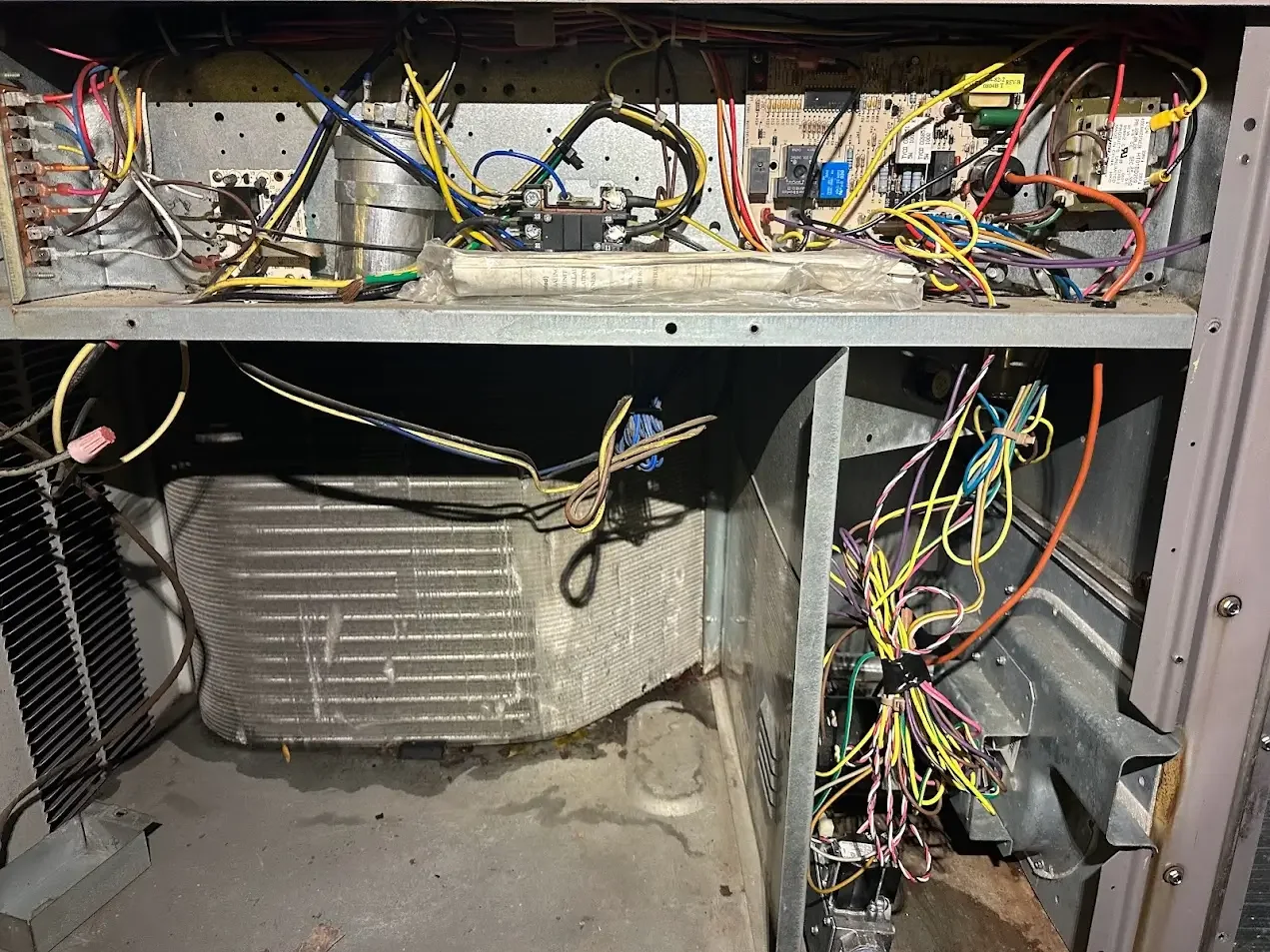
A heating maintenance visit goes beyond replacing a filter. ENERGY STAR's checklist includes checking system controls, electrical connections and motor operation. For fuel-burning equipment, it also identifies gas connections, gas pressure, burner combustion and the heat exchanger as professional inspection points.
Ask which checks apply to your model and what the technician found. Gas adjustments, electrical repairs, venting changes and work inside the combustion system belong with a qualified professional. Do not bypass a safety device or repeatedly reset a furnace to force it to run.
Treat carbon monoxide protection as part of preparation
Carbon monoxide cannot be identified by smell. EPA recommends carbon monoxide alarms and annual professional inspection of fuel-burning appliances and their venting. Test alarms and follow the alarm manufacturer's instructions and applicable requirements for placement and replacement.
An alarm is a backup precaution, not evidence that an appliance is safe to keep using. If a carbon monoxide alarm sounds or exposure is suspected, get everyone to fresh air and call 911 from a safe location. Do not remain inside to troubleshoot the furnace or return until emergency responders say it is safe.
Describe symptoms rather than approving a guessed repair
Useful notes include whether the furnace fails to start, stops before the home is comfortable, runs differently from last season, or leaves particular rooms cold. Explain when you first noticed the issue and whether another service visit or home improvement happened around that time.
Keep the maintenance discussion focused on findings. Ask the contractor to distinguish an observed fault from a possible future concern, and a necessary repair from an optional improvement. Request a written explanation if the recommendation involves significant work.
Leave the appointment with a practical service record
Ask for a record of the equipment inspected, work completed and any follow-up recommendation. If a repair is proposed, request its scope, price and applicable warranty terms before deciding. If replacement is suggested, ask what finding makes replacement preferable to repairing the present equipment.
Innovative Control HVAC offers heating maintenance and furnace replacement among its services. When requesting an appointment, explain whether you need preventive maintenance, help with a current heating problem, or a comparison of repair and replacement options. That makes the purpose of the visit clear from the start.
Questions homeowners ask
Does changing the filter replace a furnace tune-up?
No. Filter care is a homeowner maintenance task; it does not inspect combustion, venting, electrical connections or system safety controls.
Should an older furnace automatically be replaced?
No. Ask for an assessment of its condition, the proposed repair and your comfort needs before comparing replacement options.
Related services
Sources and further reading
The guidance above draws on the following public resources. Equipment instructions and a qualified assessment should guide work on your own system.
- ENERGY STAR Maintenance Checklist
- ENERGY STAR Heat and Cool Efficiently
- EPA Carbon Monoxide Poisoning Protect Your Family and Yourself
- CPSC Carbon Monoxide Fact Sheet
Need help with your property? Contact Innovative Control HVAC or call (888) 774-8257.