Ductless mini splits can add cooling or supplemental heating where installing ducts would be difficult. They can suit an older Chicago home, but room layout, winter heating needs, equipment selection and installation details determine the fit. Whole-home heating needs a different assessment from cooling one room.
Start by deciding which spaces need conditioning
ENERGY STAR identifies older homes without ducts, additions and rooms with persistent hot or cold spots as common mini-split applications. An indoor unit connects to an outdoor unit through a refrigerant circuit, rather than distributing conditioned air through a conventional duct network. Heat-pump models can provide both heating and cooling.
Describe the problem before selecting a system: a bedroom that needs cooling, an addition that needs independent control, or a whole home that needs a heating plan. Those are different projects. Make a room list and explain how the spaces are used, including whether doors normally stay open or closed.
Use room loads rather than square footage alone
Pacific Northwest National Laboratory's Building America guidance calls for heating and cooling load calculations for the home and individual zones. It also emphasizes matching each indoor unit to its space. The right equipment depends on more than the home's total floor area.
Ask the contractor what information is being used to size the system and whether insulation or air-sealing work would change the result. An oversized indoor unit is not a useful shortcut: the same guidance warns that poor sizing and placement can cause cycling and temperature or humidity-control problems. A proposal should connect the chosen equipment to the actual rooms.
Plan explicitly for winter heating
A cooling-only goal is different from relying on a mini split to heat the property. For a Chicago heating project, ask how the selected model performs at the winter conditions used in the design, and how any existing heating system will be coordinated with it.
ENERGY STAR advises cold-climate equipment selection and discussing backup heat where appropriate. A heat-pump label alone is not a complete heating plan. NEEP's cold-climate sizing guide, hosted by the Department of Energy, distinguishes supplemental heating, isolated rooms and full HVAC replacement because they need different design decisions. Ask for that purpose to be stated in the proposal.
Agree on indoor and outdoor locations before installation
Walk through the proposed indoor-unit positions and line routes with the contractor. Ask how air will reach the intended spaces and where condensate will drain. A unit placed in one room should not be assumed to provide the same comfort in every separate room without a design assessment.
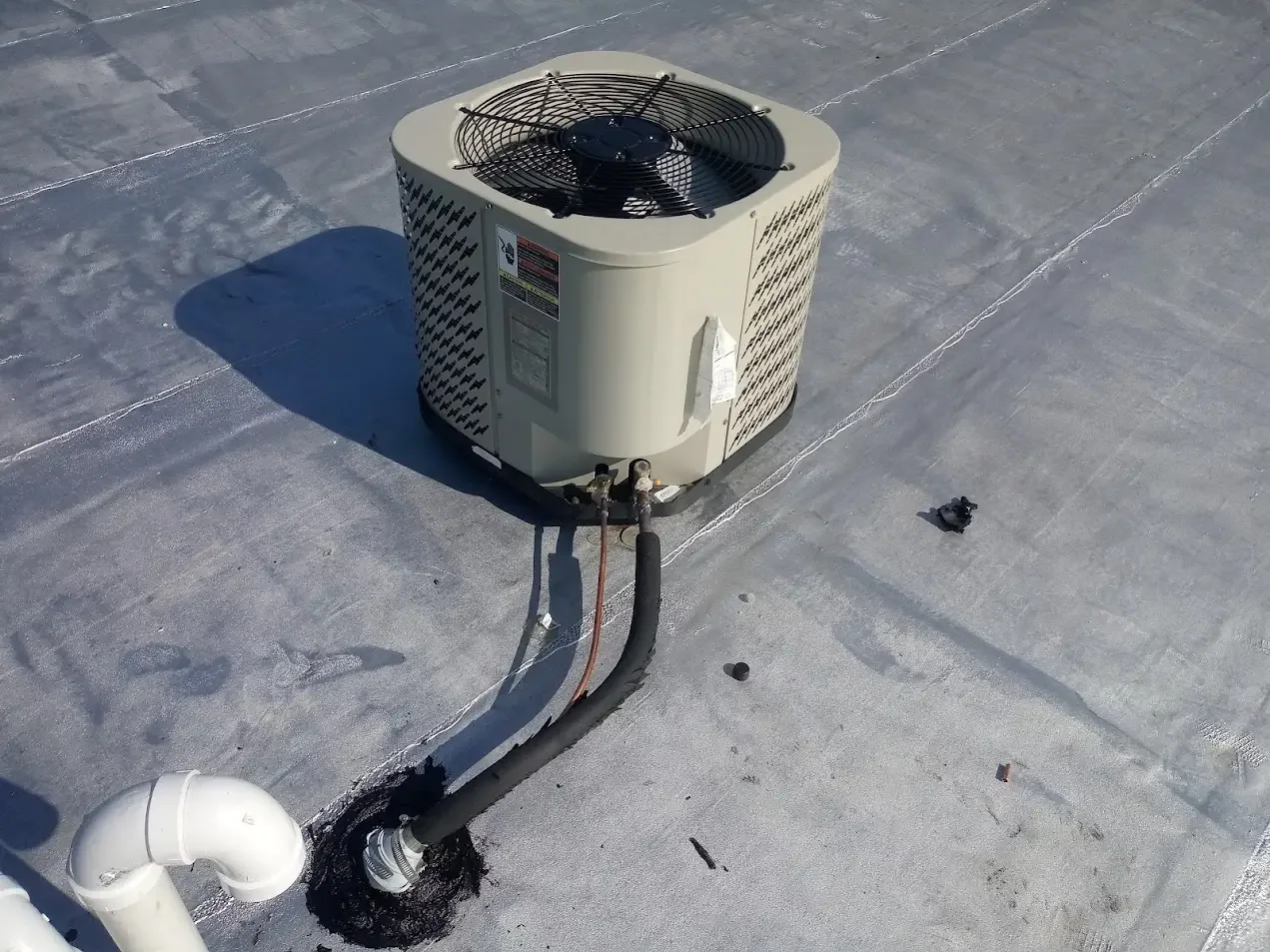
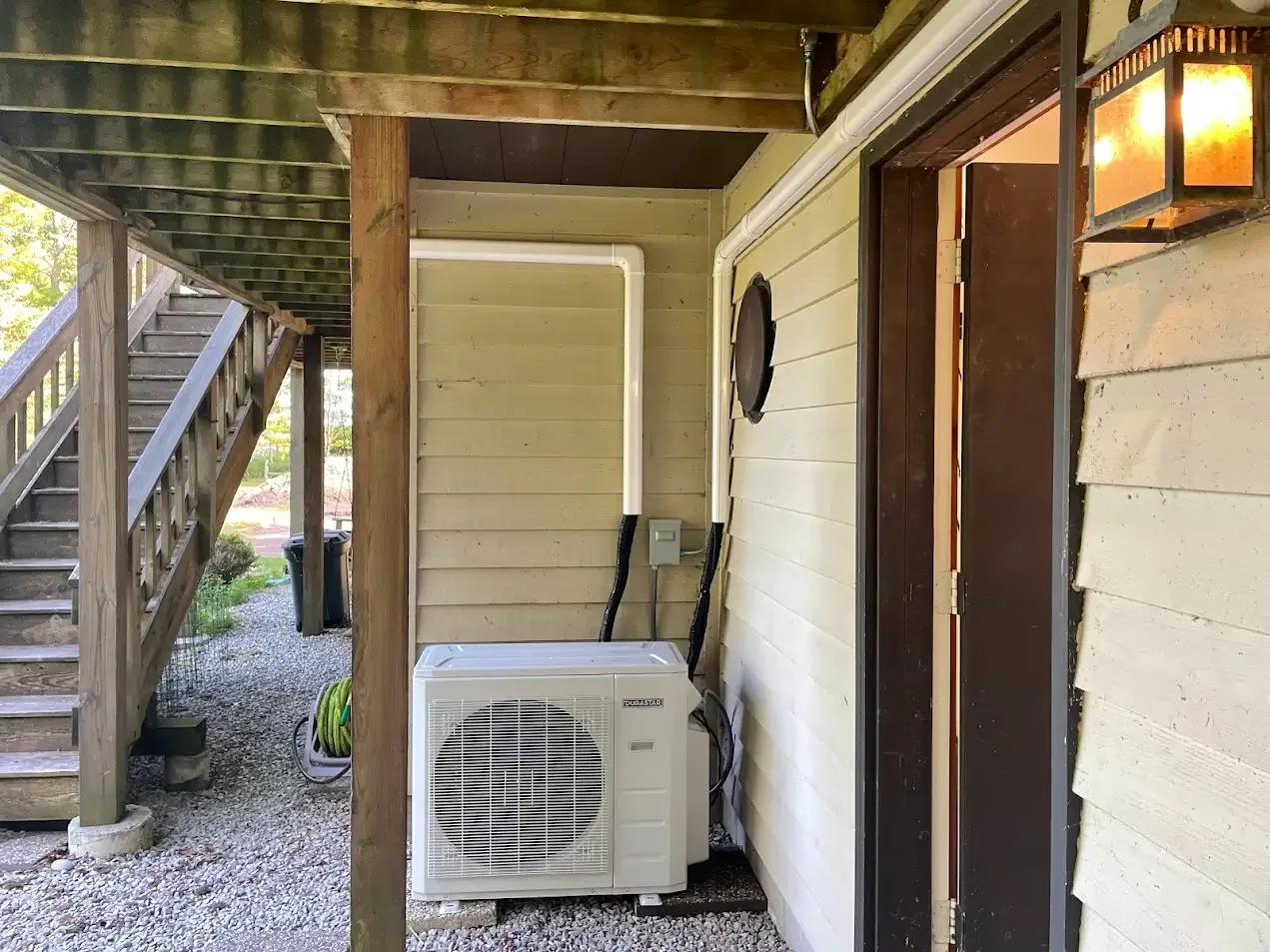
Outdoor placement also deserves attention. ENERGY STAR's buying guidance discusses service access, roof runoff and water released during winter defrost. Review the proposed location before approving the work, including how the installation will fit the building and any applicable property requirements. Installation should be planned, not improvised after equipment arrives.
Compare operating costs without assuming guaranteed savings
A heat pump moves heat instead of creating it through electrical resistance. That can make it an efficient option, but the financial comparison depends on the system it replaces, local energy prices, the equipment and how the home is used. Do not treat a national savings figure as a prediction for your bill.
The same sizing guide highlights weatherization when considering heat pumps in existing homes, particularly older buildings. Ask whether improvements to the building should be assessed alongside equipment. If an estimate includes incentives, verify the current program, eligible model, installation dates and application process separately before relying on the advertised amount.
Ask for a complete ductless proposal
A useful proposal identifies the rooms served, indoor and outdoor equipment, system purpose, line routing, drainage, electrical work and startup checks. Ask what operation and filter-care instructions will be provided, and how to arrange future service. Compare quotes using those details rather than the number of indoor heads alone.
Innovative Control HVAC offers ductless mini-split installation and repair services. Bring your room list and heating goals to the discussion. The most useful recommendation explains why a configuration suits the home, how it will be installed and what limitations remain; it does not promise that every older home needs the same solution.
Questions homeowners ask
Can mini splits work in a home with radiator heat?
They can be considered for cooling or supplemental heating without installing a conventional duct system. The room layout and the intended heating role still need assessment.
Can one indoor unit serve an entire house?
Do not assume so. Ask for a room-by-room assessment of loads, air distribution and the way the home is used before choosing indoor units.
Related services
Sources and further reading
The guidance above draws on the following public resources. Equipment instructions and a qualified assessment should guide work on your own system.
- ENERGY STAR Ductless Heating and Cooling
- Building America Solution Center Ductless Mini Split Heat Pumps
- NEEP Guide to Sizing and Selecting Air Source Heat Pumps in Cold Climates hosted by DOE
- ENERGY STAR Air Source Heat Pumps
Need help with your property? Contact Innovative Control HVAC or call (888) 774-8257.